Company
A consumer brands company built for disciplined GCC growth.
Dynamic Brands Lab builds, owns and operates focused consumer brands—connecting product development, brand direction and commerce inside one accountable company.
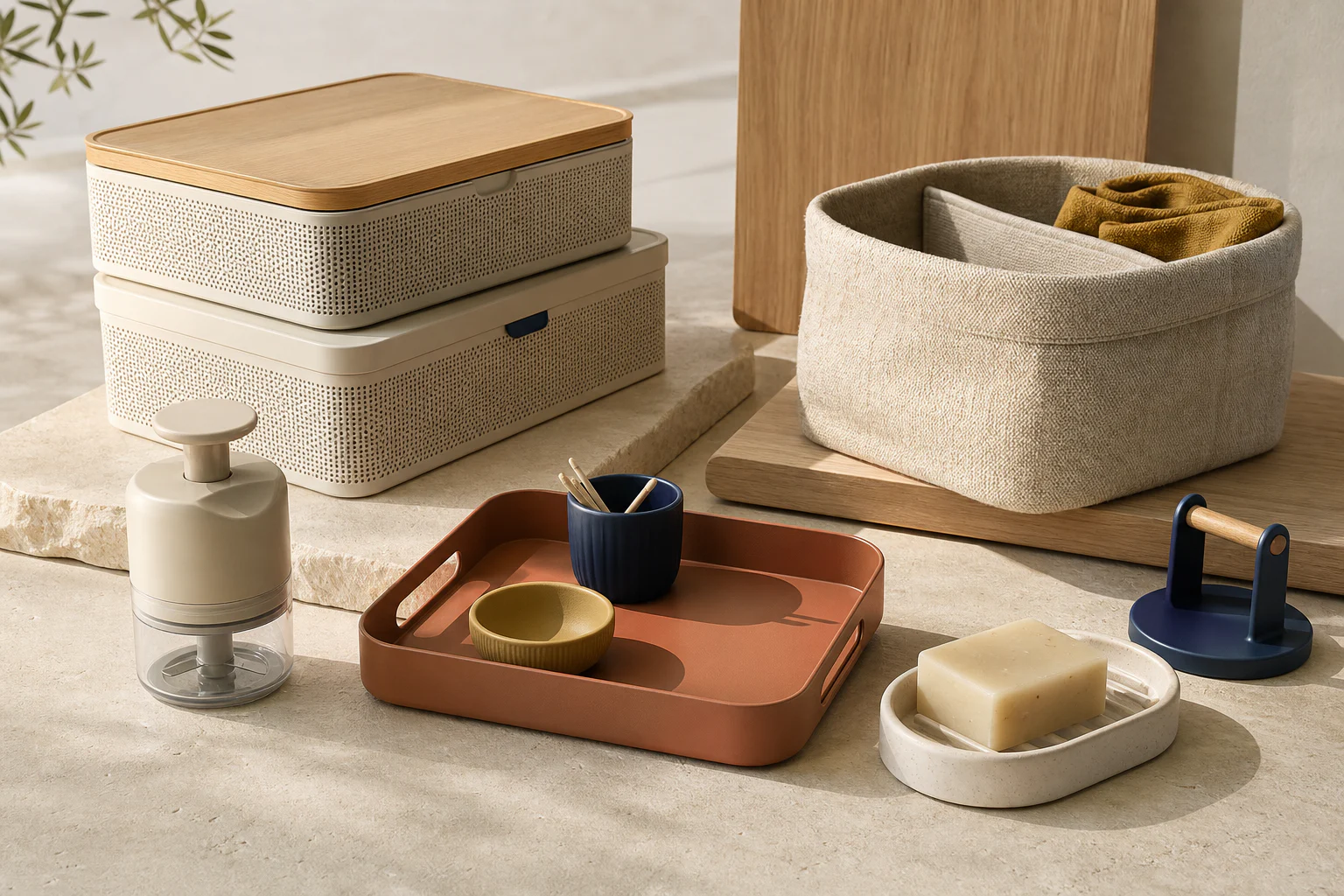
Who we are
Focused consumer brands supported by one operating company.
Dynamic Brands Lab is a Sharjah-based consumer products company. We identify relevant needs, define focused product categories and build brands designed to operate across GCC commerce.
Shared capabilities support product development, sourcing, brand direction, marketplace operations and customer learning—without blurring each brand’s identity or commercial accountability.
What we do
We own the brand and stay accountable for the operation.
Value is created through the connected decisions that turn a useful product into a durable consumer business.
Primary business
Build and operate brands we own.
Customer insight, product direction, sourcing, brand development, commerce and ongoing improvement remain connected.
Secondary activity
Selective GCC support.
We support selected established brands only where there is a clear product, market objective and operating scope.
Shared capabilities
Specialist capabilities shared across every brand.
Product and supplier development
Brand and packaging direction
Commerce and marketplace operations
Inventory and customer operations
Performance and channel development
Operating principles
Built together. Measured independently.
Every brand benefits from shared expertise while keeping clear product, financial and operating records.
Start with a relevant need
A product begins with a real customer routine or category opportunity.
Keep the brand focused
Clear category boundaries make a brand easier to understand and operate.
Connect product and commerce
Product decisions must reflect pricing, logistics, returns and channel reality.
Expand with evidence
New products and channels follow demand, economics and operating readiness.
Company snapshot
Dynamic Brands Lab at a glance.
- Legal entity
- Dynamic Brands Lab LLC
- Base
- Sharjah, United Arab Emirates
- Primary focus
- Owned consumer brands
- Current owned brands
- YAMDA and YUMA
- Commerce approach
- Online first, multichannel ready
- Secondary activity
- Selective GCC brand support
- Registered company
- Dynamic Brands Lab LLC
Owned brands
Two focused brands in development.
Continue exploring
See the brands and the operating approach behind them.
Explore the current brand portfolio or follow the process from need to responsible growth.